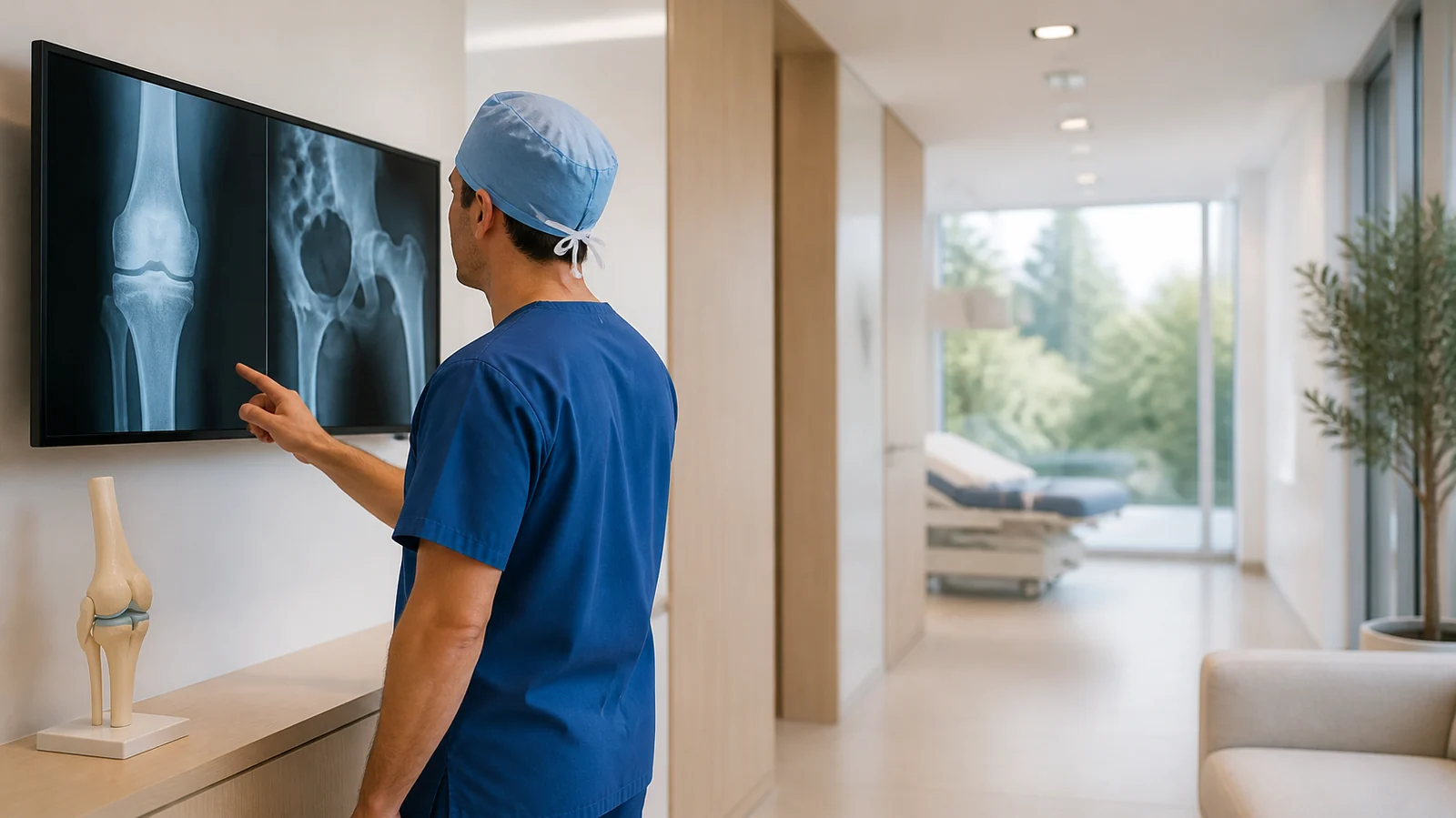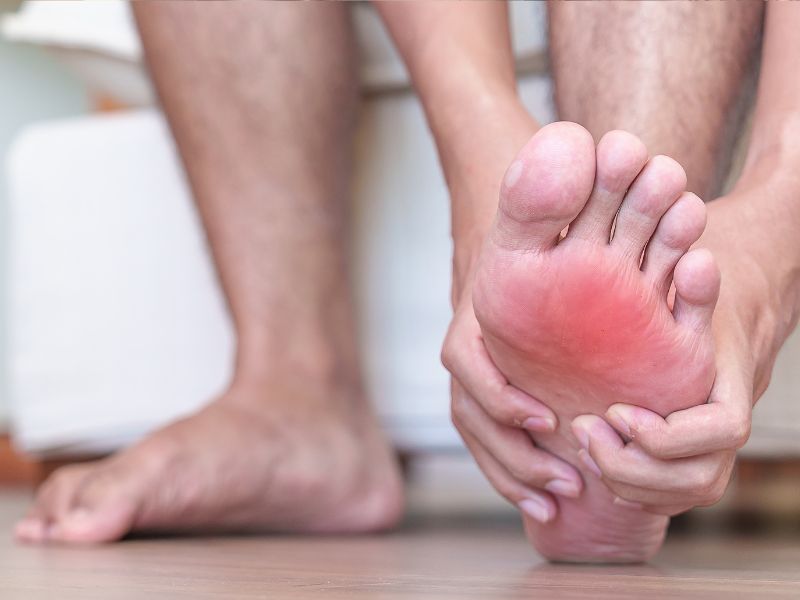


Finding a competent orthopedist in Geneva is an essential step when joint, muscle, or bone pain begins to interfere with your daily life. Whether you are experiencing knee discomfort, persistent hip pain, a sports injury, or a back problem, an orthopedic specialist can help you pinpoint the exact cause of the issue and implement the most appropriate treatment. In Geneva, patients have access to a wide range of practitioners working in private practices, clinics, or specialized medical centers.
Given this variety, it is not always easy to know which doctor to consult. Not all orthopedists share the same areas of expertise or therapeutic approaches. Some specialize in knee surgery, while others focus on conditions affecting the foot, shoulder, or spine. To ensure an accurate diagnosis and personalized care, it is important to choose a professional whose skills truly align with your specific needs.
What is an orthopedist, and what is their role?
An orthopedist—also known as an orthopedic surgeon—is a physician who specializes in diseases and injuries of the musculoskeletal system. Their scope of practice encompasses bones, joints, muscles, ligaments, tendons, and the spine. Their role involves diagnosing medical conditions, recommending appropriate treatments, and overseeing the patient’s care throughout their recovery.
Contrary to popular belief, orthopedists do not rely solely on surgery. In many cases, they favor conservative treatments, such as physical therapy, injections, rehabilitation, or guidance tailored to the patient’s specific activities. Surgery is only considered when non-invasive solutions are no longer sufficient to provide lasting relief from symptoms. Consulting an orthopedist in Geneva allows you to benefit from comprehensive expertise and personalized solutions.
When should you consult an orthopedist in Geneva?
It is recommended to consult an orthopedist in Geneva when pain becomes persistent, limits your movement, or affects your quality of life. The most common reasons for consultation include pain in the knee, hip, shoulder, back, foot, or ankle. Athletes also frequently seek consultations for sprains, ligament tears, or meniscal injuries.
Orthopedists also treat chronic conditions such as osteoarthritis, tendonitis, or certain foot deformities, such as hallux valgus (bunions). When discomfort persists despite rest or standard treatments, a specialist’s opinion can provide an accurate diagnosis and help prevent the situation from worsening. The earlier care is sought, the greater the chances of recovery.
Why is the choice of specialist so important?
The choice of an orthopedist directly influences the quality of the diagnosis and the effectiveness of the proposed treatment. An experienced specialist will be able to precisely identify the cause of your pain and guide you toward the most appropriate solution. This expertise is particularly important when multiple therapeutic options are available or when surgery is being considered.
Beyond technical skills, the quality of the relationship with the physician plays an essential role. A good orthopedist takes the time to listen to you, understand your expectations, and answer your questions clearly. This relationship of trust facilitates decision-making and allows you to approach treatment with greater peace of mind. In Geneva, many specialists offer personalized and attentive care.
Check qualifications and certifications
Before scheduling an appointment, it is important to verify the practitioner’s qualifications. In Switzerland, orthopedists typically hold the FMH title in orthopaedic surgery and traumatology of the musculoskeletal system. This accreditation ensures comprehensive specialized training that meets the quality standards of the Swiss healthcare system.
A physician’s experience is also a decisive factor. A practitioner who regularly treats your specific condition possesses deeper expertise and has mastered the latest techniques. By consulting an orthopedist in Geneva who is well-regarded in their field, you increase your chances of receiving effective, modern care tailored to your individual situation.
Choose an orthopedist who specializes in your condition
Orthopaedics encompasses several sub-specialties. Some physicians focus on the knee and hip, while others specialize in the shoulder, the foot, or spinal surgery. This specialization allows for the acquisition of highly specialized expertise in specific conditions, enabling the provision of tailored treatment plans.
If, for example, you have a torn cruciate ligament, it is best to consult a knee specialist. In the case of a bunion (hallux valgus) or chronic foot pain, an orthopedist specializing in the ankle and foot would be more appropriate. Choosing an orthopedist in Geneva who is an expert in your specific condition is often a decisive factor in achieving the best outcomes.
Consulting reviews and recommendations
Patient reviews can offer valuable insights into the quality of care, the clarity of explanations provided, and the thoroughness of follow-up. They often help you understand the experiences of others who have consulted the same specialist. However, it is advisable to maintain some perspective and look at general trends rather than relying on a single, isolated comment.
Recommendations from your primary care physician, physical therapist, or people you know are also very useful. These professionals are often familiar with the skills and areas of expertise of various practitioners in the region. By combining online reviews with professional recommendations, you can more easily identify a trusted orthopedist in Geneva.
Evaluating the proposed therapeutic approach
Not all orthopedists approach treatment in the same way. Some prioritize conservative (non-surgical) solutions first, while others may lean toward surgery more quickly. A gradual approach is generally reassuring, as it allows for the testing of non-invasive options before considering a surgical procedure.
A good specialist will clearly explain the benefits, limitations, and risks of each option. They will take into account your age, activity level, personal goals, and overall health. This personalized perspective ensures the development of a coherent treatment strategy tailored to your specific needs.
The Importance of Listening and Communication
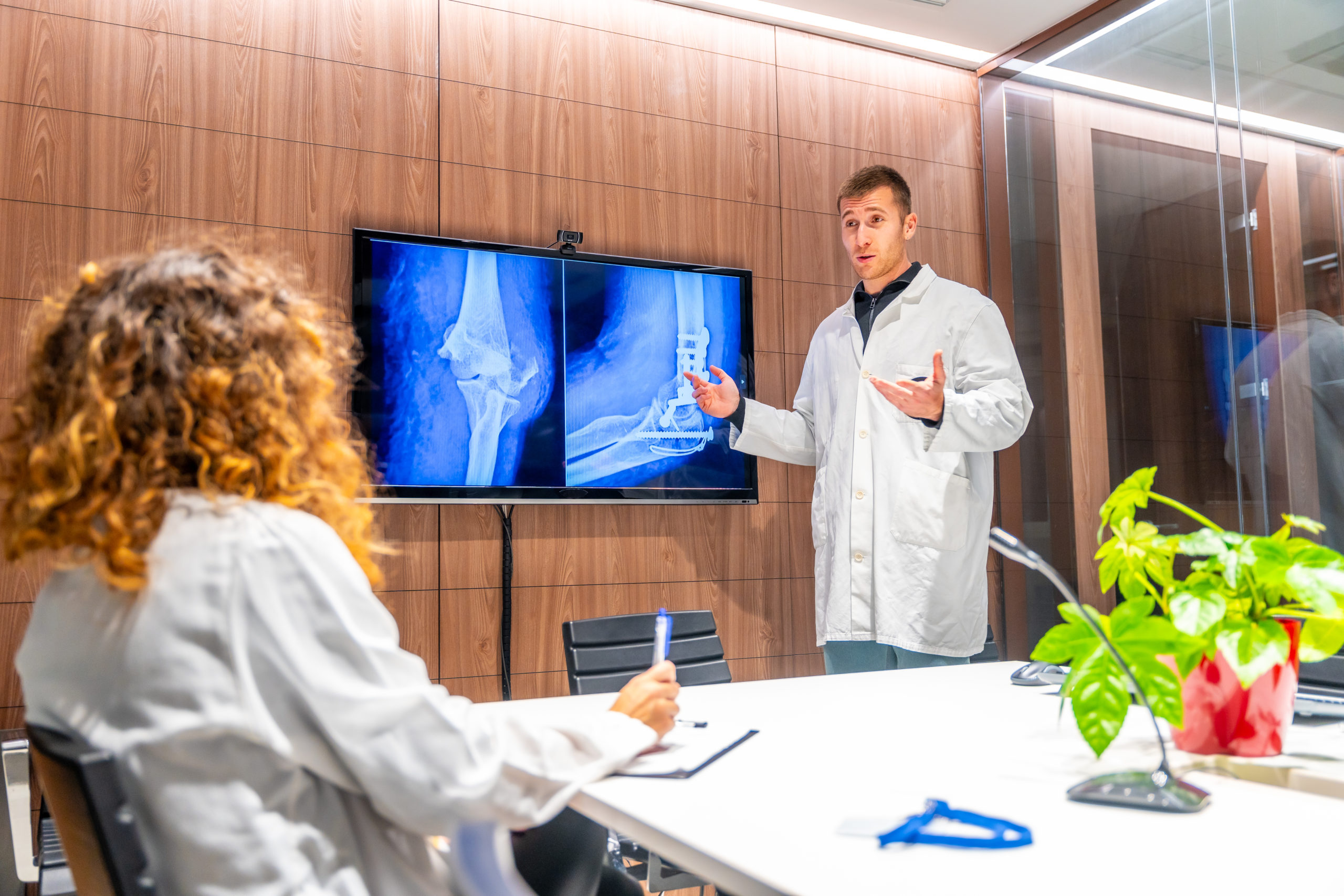
The quality of communication with your doctor is a crucial factor. During your first consultation, you should feel heard and understood. The specialist should take the time to analyze your symptoms, examine your medical imaging, and explain their diagnosis in accessible terms.
An attentiveorthopedist in Geneva will answer your questions clearly and ensure that you fully understand the various treatment options available. This transparency fosters a lasting, trusting relationship and empowers you to make informed decisions regarding your health and recovery.
Considering the Accessibility of the Practice
The location of the practice and how easily it can be reached are important considerations, especially if multiple consultations or follow-up sessions are required. Choosing a specialist located in an easily accessible part of Geneva can simplify your planning and reduce logistical challenges.
It is also worth checking appointment wait times, the availability of the administrative staff, and the quality of administrative support. A well-organized practice enhances the patient experience and streamlines processes—particularly when surgery or an extended period of rehabilitation is involved.
Should You Seek a Second Opinion?
When a major surgical procedure is recommended, it may be wise to seek a second opinion. This step helps confirm the diagnosis, allows for a comparison of therapeutic options, and enables you to move forward with greater confidence. It is a common and entirely legitimate practice.
A professional specialist will understand—and may even encourage—such a request. In Geneva, the presence of numerous experts makes it easy to obtain an additional perspective on your situation. A second opinion is often an excellent way to reach a decision with complete peace of mind.
Conclusion
Choosing the right orthopedist in Geneva requires considering several criteria: qualifications, experience, specialization, the ability to listen, and the therapeutic approach. By comparing these factors, you will be able to select a specialist capable of precisely addressing your needs and effectively guiding you toward recovery.
Whether you are suffering from a sports injury, osteoarthritis, chronic pain, or a specific joint issue, an experienced orthopedist will help you regain mobility and comfort. In Geneva, you have access to highly qualified professionals who can offer modern, personalized treatments to improve your quality of life for the long term.