

Placing your foot on the floor in the morning and immediately feeling a sharp, burning sensation under your heel; limping slightly after a long day spent on your feet; or having to cut a workout short because the pain intensifies with every step these scenarios are far more common than one might think. "Talalgia" the medical term for any pain localized in the heel is one of the most frequent complaints encountered in podiatric consultations. It can affect people of all ages, body types, and physical activity levels. What varies, however, is the underlying cause, and it is precisely this cause that determines the most appropriate treatment. Ignoring this painful signal or waiting for it to disappear on its own is a risky strategy, as an untreated heel condition tends to worsen gradually and may become chronic.
Heel Anatomy: Understanding the Source of the Pain
Before exploring the potential causes of heel pain, it is helpful to understand what lies within this seemingly simple anatomical area. The heel is primarily composed of the calcaneus, the largest bone in the foot which serves as an attachment point for many essential structures. On the underside, the plantar fascia attaches to the bone and extends toward the toes, supporting the arch of the foot. At the back, the Achilles tendon, the strongest tendon in the human body attaches to the posterior surface of the calcaneus. Surrounding these primary structures are bursae (fluid-filled sacs), nerves, blood vessels, and the intrinsic muscles of the foot. Depending on the circumstances, any of these elements can become the site of inflammation, compression, or injury, resulting in pain that varies in intensity and location.
The Main Causes of Heel Pain
Plantar Fasciitis: The Number One Cause
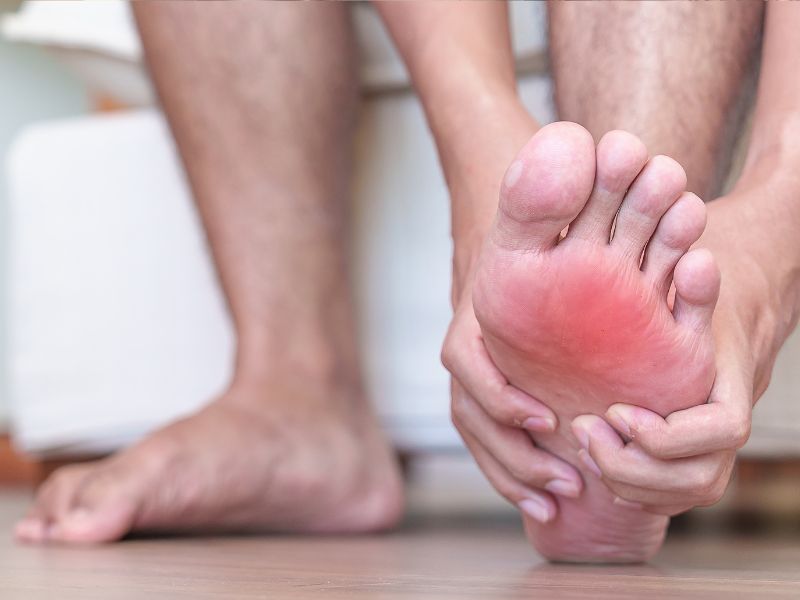
Plantar fasciitis is by far the most common cause of heel pain. It is characterized by inflammation of the plantar fascia at its insertion point on the calcaneus (heel bone). Subjected to repetitive stress, this fibrous tissue develops micro-tears, which trigger a local inflammatory response. The pain pattern is highly recognizable: it is most intense upon waking in the morning or after a long period of rest, subsides after a few minutes of walking, and then reappears during prolonged physical activity. The pain is located beneath the heel slightly forward of the center and may radiate toward the arch of the foot.
There are numerous, well-documented risk factors. These include excess weight (which increases mechanical stress on the fascia), specific foot structures such as flat feet or high arches that alter how pressure is distributed, calf stiffness (which creates increased tension at the point where the fascia attaches to the heel), and resuming physical activity too quickly after a long period of inactivity. All of these factors can predispose an individual to developing this condition.
Achilles tendinopathy
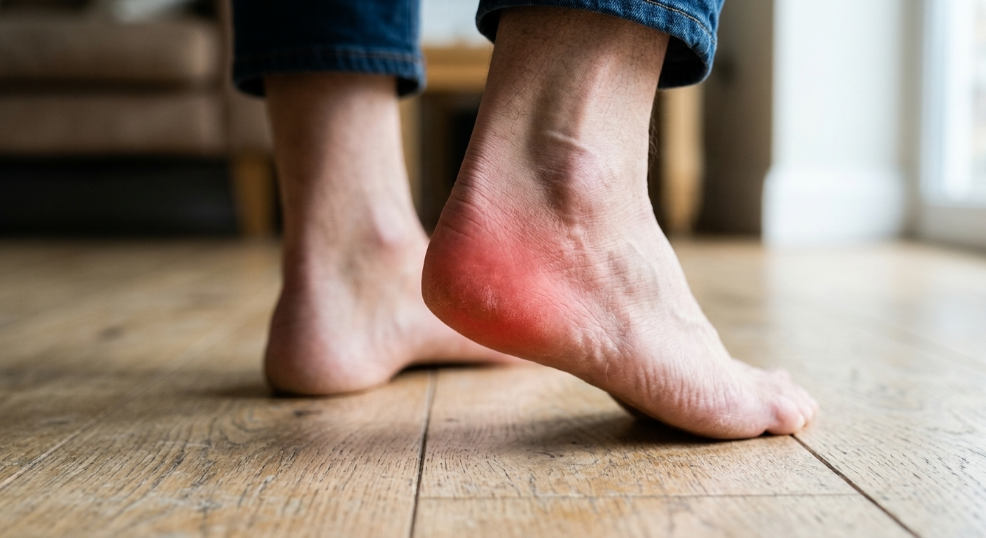
Achilles tendinopathy is another frequent cause of heel pain, though it occurs in a different location: it manifests at the back of the heel, either where the Achilles tendon attaches to the calcaneus or slightly higher up, within the body of the tendon itself. Typically, the pain is present at the start of an activity, eases as the area warms up, and then returns after exercise. This condition is often accompanied by morning stiffness and tenderness when the tendon is touched. Without appropriate management, chronic tendinopathy can progress to a partial or complete rupture of the tendon, a complication that is significantly more serious and difficult to treat.
Calcaneal Spur
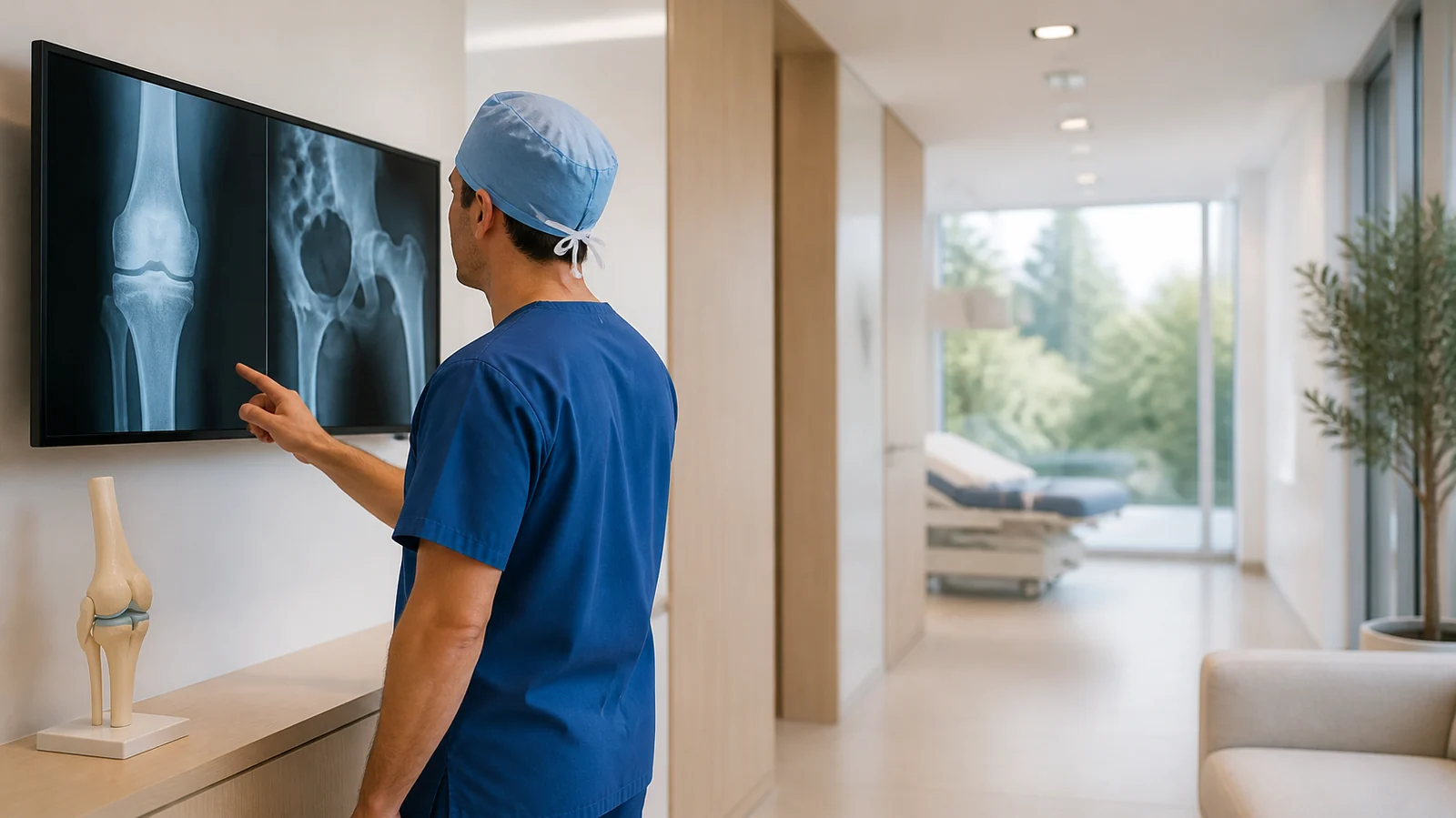
A calcaneal spur is a bony outgrowth that forms on the calcaneus (heel bone) due to repeated tension exerted by the plantar fascia or the short flexor muscles of the toes. Its presence is often discovered incidentally during an X-ray, and many patients are convinced that it is the cause of their pain. The reality is more nuanced. The bone spur itself is not necessarily painful; rather, it is the inflammation of the surrounding tissues that gives rise to the symptoms. Therefore, treating the inflammation is the priority, regardless of whether or not a calcaneal spur is visible on imaging.
Calcaneal Bursitis
Bursae are small, fluid-filled sacs that serve to cushion against friction between anatomical structures. There are two bursae in the heel area: one beneath the calcaneus and another between the Achilles tendon and the bone. When one of these becomes repeatedly irritated, it becomes inflamed, resulting in calcaneal bursitis. The pain is localized and is often accompanied by noticeable swelling and warmth in the area. Wearing shoes that have a rigid heel counter rubbing against the heel, or prolonged pressure on very hard surfaces, are common triggering factors.
Stress fracture of the calcaneus
Less well-known but important to identify, a stress fracture of the calcaneus results from an accumulation of minor bone trauma rather than a single, violent impact. It develops gradually in individuals who place intense stress on their feet without allowing the bone time to adapt such as runners who suddenly increase their weekly mileage, military personnel undergoing intensive training, or individuals with osteoporosis. The pain is diffuse and deep, and it intensifies significantly with physical activity. A characteristic sign is pain upon lateral compression of the calcaneus, which can guide a clinician toward this diagnosis even before imaging tests are performed.
Neurological and rheumatic causes
Some forms of heel pain (talalgia) have a less mechanical origin and must be identified to avoid inappropriate treatment. Compression of Baxter’s nerve, a branch of the posterior tibial nerve, can cause pain beneath the heel that perfectly mimics plantar fasciitis, often accompanied by tingling or numbness. Tarsal tunnel syndrome involves a more general compression of the posterior tibial nerve as it passes behind the medial malleolus; its symptoms radiate toward the sole of the foot and the heel. Finally, systemic diseases such as spondyloarthropathy, psoriatic arthritis, orrheumatoid arthritis peuvent se manifester par une enthésite calcanéecan manifest as calcaneal enthesitis, an inflammation at the point where a tendon or fascia attaches to the bone.
Symptoms to watch for and not to downplay
The location, timing, and nature of the pain provide valuable information regarding its underlying cause. Pain under the heel with the first step in the morning, which subsequently eases, points toward plantar fasciitis. Pain at the back of the heel that worsens after physical activity suggests Achilles tendinopathy or bursitis. Tingling sensations accompanied by pain indicate a nerve-related component. Pain that occurs at night or while completely at rest necessitates ruling out a systemic inflammatory condition or a stress fracture.
Certain signs warrant prompt medical consultation without delay. Sudden, intense pain following physical activity accompanied by an inability to walk and a sensation of a "snap" or "pop" may indicate a ruptured Achilles tendon, which is a surgical emergency. Pain accompanied by significant swelling, diffuse redness, or fever also requires immediate medical evaluation to rule out an infection.
Effective treatments for heel pain
Simple, initial measures to take
As soon as the first signs of pain appear, several accessible steps can help prevent the situation from worsening and initiate the healing process. Relative rest is the most immediately effective measure: this does not mean complete immobilization, but rather reducing or pausing the activities that trigger and perpetuate the pain. Choosing appropriate footwear, specifically shoes with good cushioning, adequate arch support, and a stable heel counter helps reduce the mechanical stress placed on the heel with every step.
Applying ice to the area for ten to fifteen minutes after physical activity or at the end of the day helps control inflammation and soothe pain. Silicone heel l inserts placed inside one's shoes can absorb some of the impact on the calcaneus (heel bone), providing quick relief for the painful area in cases of mechanical origin. Regular stretching of the calf and plantar fascia performed before taking the first steps in the morning and after any period of rest is one of the most effective long-term therapeutic measures for preventing recurrence.
Medical and paramedical treatments
When simple measures are insufficient, several therapeutic options are available. A podiatrist plays a central role in the management of mechanically induced heel pain (talalgia). Following a comprehensive assessment including an analysis of foot morphology and the gait cycle the podiatrist creates custom orthotic insoles that redistribute pressure and correct the postural imbalances causing the issue. These plantar orthotics often provide the most durable solution for recurrent plantar fasciitis.
Physical therapy offers particularly useful complementary techniques, such as fascial massage, guided stretching, and proprioceptive training. For chronic, resistant cases, adial shockwave therapy can be used to stimulate tissue regeneration and reduce deep-seated inflammation. Corticosteroid injections, administered under ultrasound guidance for optimal precision, provide rapid relief in persistent inflammatory cases, but should be used only occasionally to avoid weakening the tendon and fascial structures.
Surgery: A Last Resort
The vast majority of heel pain cases resolve with well-managed conservative treatments. Surgery is considered only after several months of appropriate care without sufficient improvement. It may involve releasing the plantar fascia for chronic, refractory fasciitis; decompressing Baxter’s nerve in cases of confirmed nerve compression; or resecting a heel spur when it is genuinely causing compression. These procedures, performed by an orthopedic surgeon, yield good results in carefully selected cases, though they entail a recovery and rehabilitation period that must be anticipated.
How Can Heel Pain Be Prevented?
Prevention primarily involves wearing footwear suited to the shape of your foot and the activity being performed. Thorough warm-ups before any physical activity, a measured increase in training intensity, and maintaining a healthy body weight significantly reduce the risk of developing a heel-related condition. For those who have previously experienced plantar fasciitis or Achilles tendinopathy, regular stretching of the calf and fascia even during pain-free periods is the best safeguard against recurrence.
Conclusion: Do Not Let Pain Take Hold
Heel pain is a serious complaint that warrants prompt attention and care tailored to its underlying cause. Whether it stems from plantar fasciitis, tendinopathy, bursitis, or a nerve issue, effective solutions exist and in the vast majority of cases, they allow for the restoration of a functional, pain-free heel. The most common mistake is to wait for the problem to go away on its own, a choice that risks turning an acute condition into a chronic one, which is significantly more complex to treat. Consulting a podiatrist or a medical specialist as soon as pain arises or recurs is always the best decision you can make for your foot health and your daily life.